

Ggwepnandizamin: Together, Putting Our Best Effort Forward Towards Something Important
Ggwepnandizamin—translated as together, putting our best effort forward towards something important—is Trent University’s systems level plan guiding the care, restoration, and shared responsibility of land and water within the University Green Network (UGN) on the Symons Campus. Grounded in collaboration with the Michi Saagiig Anishnaabeg, whose treaty and traditional territory Trent occupies, the Plan establishes a seven year framework (2025–2032) for translating vision into coordinated, on the ground action.
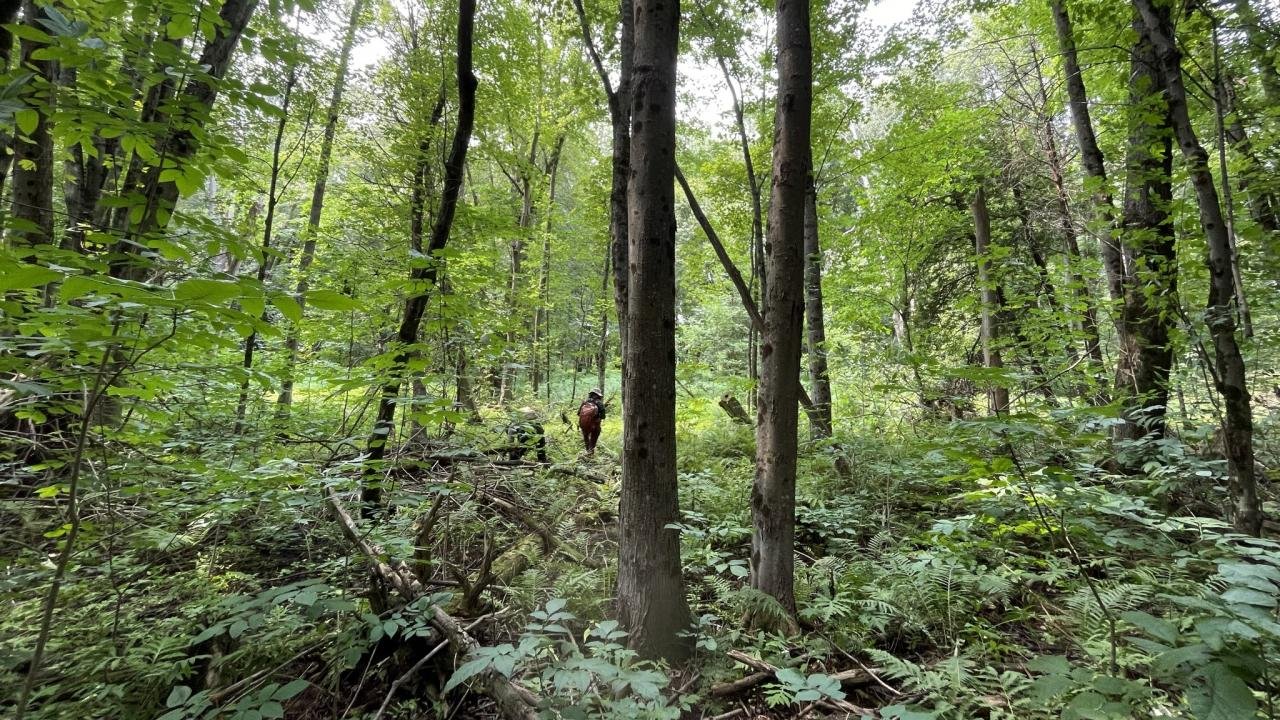
The University Green Network constitutes approximately 60% (351 hectares) of the Symons Campus and includes Trent’s Nature Areas, ecological corridors, waterways, naturalized green spaces, and working lands. Together, these areas support biodiversity, cultural practices, teaching and research, climate resilience, and community wellbeing. Ggwepnandizamin operationalizes the commitments made in the Trent Lands and Nature Areas Plan (2021) and provides the guiding structure for caring for these interconnected systems over time.
Why This Plan Matters
Ggwepnandizamin responds to a defining challenge for Trent University: how to care for land and water in ways that are ecologically responsible, culturally grounded, and sustained over time. It recognizes the University Green Network as a living, interconnected system that is central to the identity, health, and future of the Symons Campus.
📖 Read the Report
Through this Plan, Trent is:
- Recognizing the University Green Network as a vital campus system — one that supports biodiversity, climate resilience, cultural practices, teaching and research, and community wellbeing.
- Affirming a responsibility of active care — moving beyond protection alone to stewardship, restoration, learning, and long-term relationship with land and water.
- Advancing a shared vision — of a balanced, connected, and resilient network where land and water are cared for and shared with all living beings.
- Creating ethical space — where Michi Saagiig Knowledge Systems and western science are valued together, and stewardship is guided by reciprocity, respect, and responsibility.
- Providing a practical framework for action — identifying what makes up the University Green Network, the pressures it faces, the future conditions Trent is working toward, and the actions needed to get there.
- Supporting long-term decision-making — through monitoring, learning, and adaptive management that can respond to change over time.
An Adaptive Approach
The Plan adopts the Open Standards for the Practice of Conservation, a globally recognized framework that emphasizes thoughtful planning, collaboration, monitoring, reflection, and adaptation. This approach recognizes that ecological and cultural systems are dynamic and interconnected, and that work must remain flexible and responsive to change—particularly under shifting climate conditions.
Key Goals (2025–2032)
Over the seven year implementation period, Ggwepnandizamin advances a set of integrated goals that include:
- Maintaining and strengthening the University Green Network
- Protecting and restoring biodiversity
- Improving ecological connectivity
- Advancing reconciliation through action
- Supporting regenerative agriculture and nature inclusive design
- Expanding land based learning, research, and community engagement